International Space Station pass times and details for the UK – September 2023
International Space Station UK Pass Times – The International Space Station – ISS is back over UK skies with some great evening passes during September 2023.
Scroll down past the times to see dates for the epic Night Sky Show and to find out more about how to see the Space Station.
This will probably be the most simple and easiest guide to viewing the Perseids and other meteor showers you may possibly ever read. The reason why it is so simple is when you are outside you want to concentrate on looking for meteors and not worrying about technical details, which are unnecessary for the casual observer.
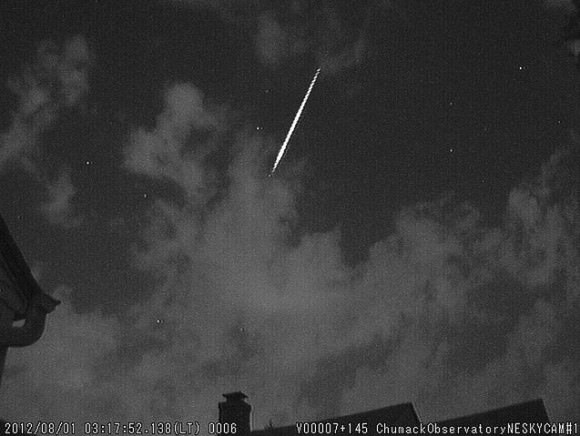
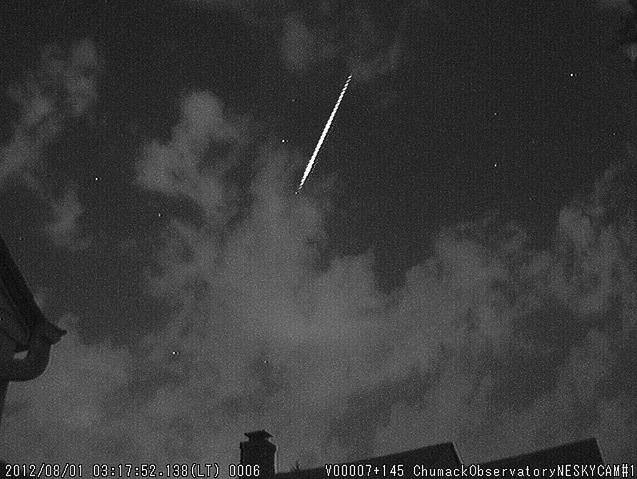
The Perseids – Perseid Meteor Shower 2023 is visible late July and through August. Maximum Perseid meteor activity is on and around 11/12/13 August. The Perseids are one of the most prolific and best-known meteor showers.
In 2024 there is no Moon present during the peak of the meteor shower. Consequently even more meteors will be visible due to dark skies! We will have perfect viewing conditions compared to other years if skies stay clear. Don’t miss natures firework display!
Prepare yourself for this coming cosmic spectacle and how to enjoy your #meteorwatch.
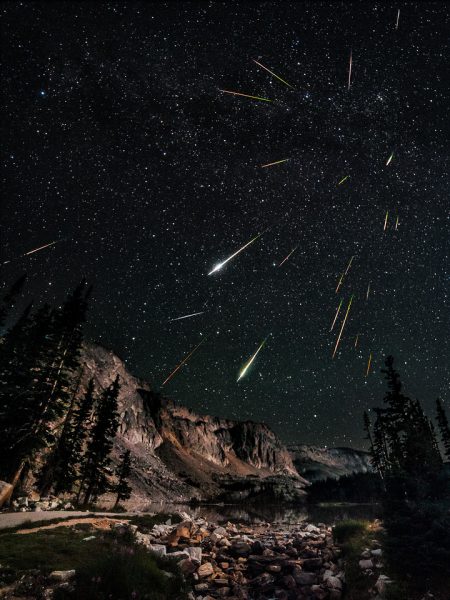
Snowy Range Perseids Credit: David Kingham Photography
Perseid Meteor Shower 2023 – There are many things to see when you look up during any clear night. Stars, planets, satellites, the moon and more. But there is nothing more breathtaking than seeing a meteor. Otherwise known as a shooting star. Occasionally, you can see many meteors/ shooting stars over the course of a few evenings. These are known as meteor showers. In August we have the best and most well-known meteor shower of the year – The Perseid Meteor Shower, also known as the Perseids.
International Space Station pass times and details for the UK – July 2023
International Space Station UK Pass Times – The International Space Station – ISS is back over UK skies with some great evening passes during July 2023.
International Space Station pass times and details for the UK – May 2023
International Space Station UK Pass Times – The International Space Station – ISS is back over UK skies with some great evening passes during May 2023.
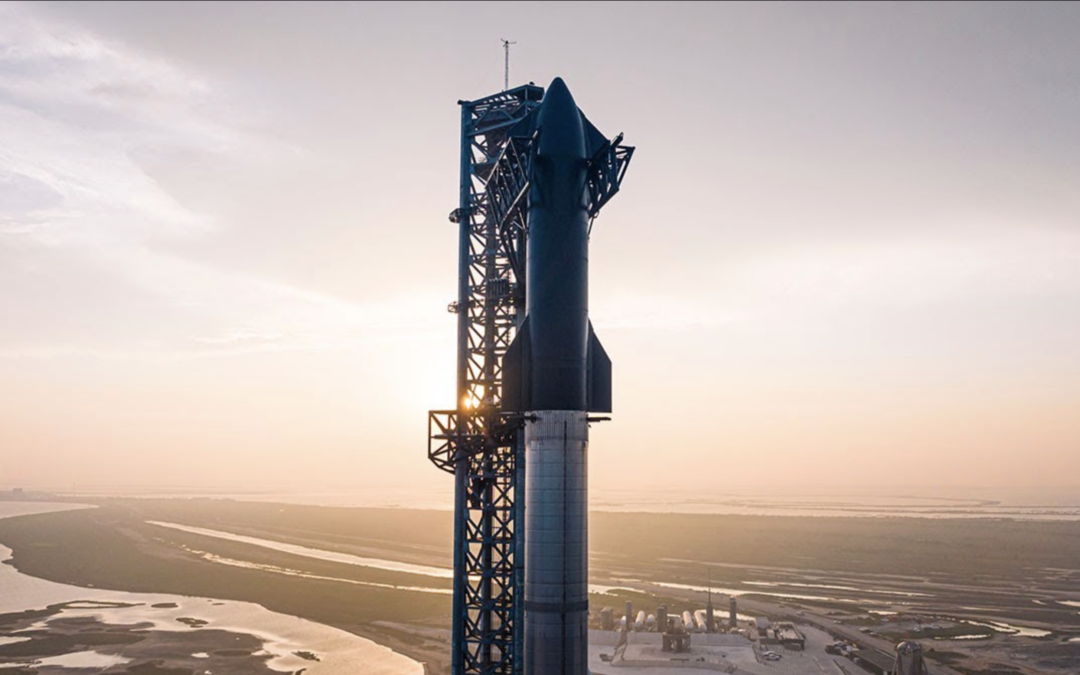
The first flight test of a fully integrated SpaceX Starship Rocket
Watch the first full Starship Rocket launch Live as we enter the next chapter of the golden age of spaceflight.
This is a test of the fully configured Starship Spacecraft and massive booster rocket. The launch will send the largest spacecraft ever made into space while its booster is set to return to Earth and land safely, if the test goes well.
Starship has been designed to be a fully reusable rocket system where both the massive booster and Starship spacecraft can be reused swiftly, multiple times.
Capable of carrying more than ever before, with up to 250 tons of cargo, or 100 passengers. Starship is destined to be the primary vehicle used in getting people on Mars.
Todays test is only a launch test, boosting a Starship into orbit. Will the test go to plan or end spectacularly?
Watch Live
Learn all about the Night Sky, Space and more at The Night Sky Show. Enjoy a memorable experience and immerse yourself in the sky above and Universe beyond, as we travel through the past, present and future of the cosmos and our journey through it. What will our journey be and what spaceships will we be travelling in and much more.
International Space Station pass times and details for the UK – March 2023
International Space Station UK Pass Times – The International Space Station – ISS is back over UK skies with some great evening passes during March 2023.